
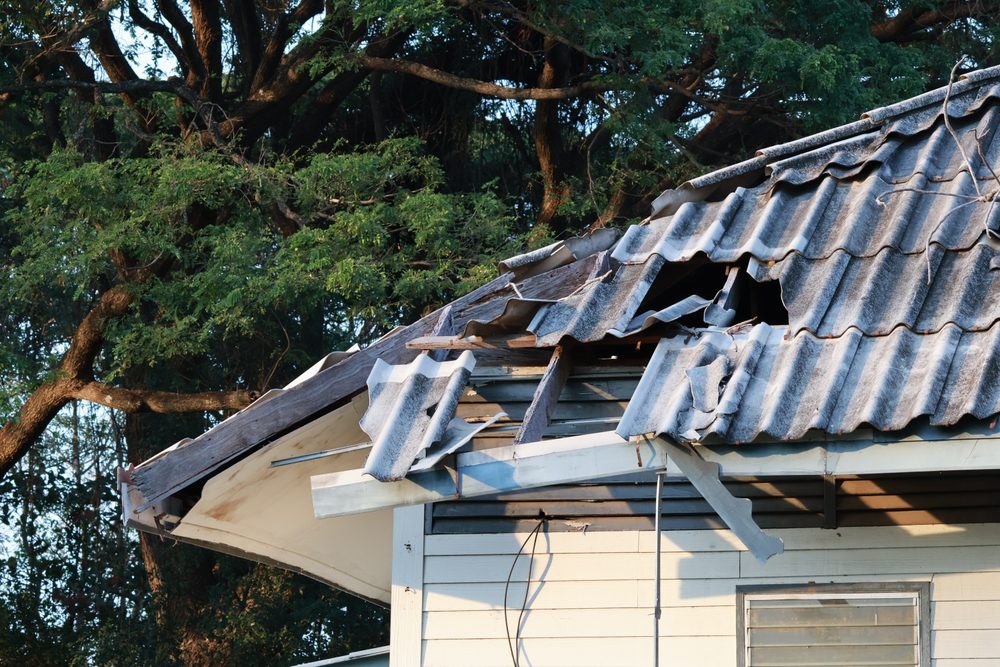
Roof damage is not always obvious from the ground. Missing shingles, damaged flashing, loose roofing materials, and small leaks can develop without immediately affecting the inside of a home. By the time water stains appear on ceilings or walls, moisture may have already traveled through multiple layers of the roofing system. Knowing how to perform a basic roof damage inspection helps homeowners recognize potential problems early, identify areas that need attention, and avoid overlooking damage after severe weather.
Why Regular Roof Inspections Matter
A roof is constantly exposed to changing weather conditions. Sunlight, heavy rain, strong winds, hail, snow, and temperature fluctuations gradually affect roofing materials and the components that hold the system together. Even a roof that appears structurally sound can develop small weaknesses that become more noticeable over time.
Regular inspections help identify these changes before they lead to more extensive problems. For example, a few missing shingles may expose the underlying roofing materials to moisture. Damaged flashing around a chimney or vent can create an entry point for water, while clogged gutters may contribute to drainage problems along the roofline.
Inspections are particularly important after severe weather. Hail and high winds can damage shingles, loosen roofing materials, and affect roof penetrations. Some damage is visible immediately, while other problems require a closer evaluation to identify.
A roof damage inspection does not necessarily mean climbing onto the roof. Homeowners can identify several warning signs safely from the ground, inside the attic, and around the home’s interior. More detailed assessments should be left to qualified roofing professionals, especially when the roof is steep, slippery, or visibly damaged.
Start With a Visual Inspection From the Ground
The safest place to begin is outside the home, where the roof can be viewed from different angles. Walk around the property and look at the roofline, visible shingles, edges, valleys, and areas surrounding chimneys or vents.
Pay attention to changes in the roof’s overall appearance. Uneven sections, missing materials, exposed areas, and visible sagging may indicate problems that need further evaluation. Binoculars can help reveal details without requiring a ladder or direct access to the roof.
Look for Missing or Damaged Shingles
Asphalt shingles are designed to overlap and create a protective surface that sheds water. When shingles become cracked, curled, lifted, or completely detached, the roof becomes more vulnerable to wind and moisture.
Missing shingles may leave sections of the underlying roofing system exposed. Cracked or curling shingles can also allow water to move beneath the surface, particularly during wind-driven rain. If several shingles appear damaged in the same area, the problem may extend beyond a single isolated section.
Check for Uneven or Sagging Roof Areas
A roofline should generally appear straight and consistent. Noticeable dips, uneven sections, or sagging areas can indicate problems involving the roof structure or supporting materials.
These conditions should not be dismissed as ordinary aging. Structural deterioration, prolonged moisture exposure, or other underlying issues may be involved. A visibly sagging roof deserves prompt evaluation rather than an attempt at a temporary surface repair.
Examine Flashing and Roof Penetrations
Flashing is installed around areas where the roof meets another surface or where components pass through the roofing system. Common examples include chimneys, skylights, vents, and roof valleys.
Because these locations interrupt the otherwise continuous roofing surface, they require careful installation and maintenance. Look for visibly bent or displaced flashing, separated edges, missing materials, or signs of deterioration. Problems around these areas can allow water to enter even when the surrounding shingles appear to be in good condition.
Check Your Attic and Interior for Signs of Water Damage
Not every roofing problem can be identified from outside. Some of the earliest indications of roof damage appear inside the home, particularly in the attic and on upper-level ceilings.
If the attic is safely accessible, use a flashlight to examine the underside of the roof deck and surrounding framing. Look for dark discoloration, water marks, damp insulation, or visible moisture. These conditions may suggest that water has entered through the roofing system or another part of the building envelope.
It is also worth checking the ceilings and walls directly beneath the roof. Water stains, peeling paint, bubbling drywall, and persistent dampness can indicate moisture intrusion. However, the location of an interior stain does not always correspond directly with the source of the leak. Water can travel along framing and other surfaces before becoming visible.
A musty odor in the attic or upper rooms may also warrant investigation. While odors alone cannot confirm a roofing problem, they can indicate moisture that has remained in an enclosed area.
Common Warning Signs Homeowners Should Never Ignore
Some roof problems develop gradually, while others become apparent after a major weather event. Recognizing the difference helps homeowners understand when routine maintenance may be sufficient and when a more detailed evaluation is needed.
The following warning signs deserve attention:
- Missing, cracked, curled, or lifted shingles that compromise the roof’s protective surface.
- Granules accumulating in gutters or near downspouts, which may indicate asphalt shingle deterioration.
- Water stains on ceilings, walls, or attic surfaces that suggest possible moisture intrusion.
- Damaged or separated flashing around chimneys, vents, skylights, and other roof transitions.
- Sagging or uneven roof sections that may indicate underlying structural concerns.
- Loose roofing materials or debris around the property following strong winds.
- Dents or impact marks on visible roofing components after hail.
- Recurring leaks that continue despite previous repairs.
These signs do not all indicate the same level of damage. Some may involve localized repairs, while others could point to broader deterioration. The important step is determining what caused the problem and whether surrounding roofing components have also been affected.
How Weather Conditions Affect Your Roof
Weather is one of the biggest influences on roof condition, and different conditions create different types of damage. Understanding these effects can help homeowners know what to look for after a storm or during seasonal maintenance.
Hail Damage
Hail can create impact marks, bruising, cracks, and granule loss on asphalt shingles. The extent of the damage depends on factors such as hail size, wind conditions, roofing material, and the angle at which hail strikes the roof.
Some impact damage is difficult to identify without a closer inspection. Even when shingles remain in place, their protective surfaces may have been compromised. Checking gutters, downspouts, and other visible exterior components can provide additional clues after a hailstorm.
Wind Damage
Strong winds can lift shingle edges, loosen fasteners, break branches, and remove roofing materials entirely. Damage is often more noticeable around roof edges, ridges, and corners where wind pressure can be greater.
A roof may also experience partial shingle separation without obvious material loss. These conditions can create openings that allow rain to enter during subsequent storms.
Snow and Ice
Snow accumulation adds weight to the roof, while repeated freezing and thawing can affect roofing materials and drainage components. Ice dams may form when melting snow refreezes near the roof’s colder edges, preventing water from draining properly.
When water backs up behind an ice dam, it may move beneath shingles and enter the attic or interior ceiling. Signs such as wintertime ceiling stains, icicles along roof edges, and moisture near exterior walls may indicate a drainage or insulation-related problem that needs investigation.
When to Schedule a Professional Roof Inspection
A basic visual check can reveal obvious warning signs, but it cannot confirm the full condition of every roofing component. Some damage is hidden beneath shingles, around flashing, or within areas that are difficult to see from the ground.
A more thorough roof damage inspection is worth considering after hailstorms, strong winds, falling branches, recurring leaks, or any event that may have affected the roof’s protective surface. It is also useful when a roof is aging or when previous repairs have not resolved the original problem.
An inspection should evaluate more than the visibly damaged area. The surrounding shingles, flashing, vents, roof transitions, and other relevant components may also need attention. This broader assessment helps determine whether the issue is isolated or part of a larger roofing concern.
It is equally important to understand the difference between repair and replacement. Localized damage may be manageable with targeted repairs when the surrounding roofing system remains in serviceable condition. Widespread deterioration, repeated failures, or extensive storm damage may require a different approach.
Frequently Asked Questions About Roof Damage
How often should homeowners check their roofs?
Homeowners should periodically examine visible roofing components and look for changes after significant weather events. A seasonal visual check can help identify developing problems, while older roofs or properties with a history of leaks may benefit from more frequent professional evaluations.
Can roof damage exist without visible leaks?
Yes. Roofing materials can become damaged before water reaches the attic or interior of the home. Missing shingles, deteriorating flashing, and compromised protective surfaces may create vulnerabilities that only become apparent during later rainfall. This is why waiting for an interior leak is not a reliable way to determine roof condition.
Is it safe to inspect a roof using a ladder?
Climbing onto a roof or using a ladder to examine damaged areas can be dangerous, particularly after storms or when surfaces are wet. Homeowners should prioritize ground-level observations and interior checks. Steep slopes, loose materials, and unstable ladder placement create unnecessary fall risks.
Does every damaged shingle mean the roof needs replacement?
No. A small number of damaged or missing shingles may be repairable if the surrounding roofing system is still in good condition. Replacement becomes a more relevant consideration when damage is widespread, materials have deteriorated significantly, or repeated repairs are no longer practical.
Protect Your Roof With a Thorough Inspection From Moyer Exteriors
Missing shingles, unexplained leaks, and storm-related damage can leave a home vulnerable to further deterioration if the underlying problem is not addressed. Moyer Exteriors helps homeowners throughout Lincoln and surrounding Eastern Nebraska communities identify roofing concerns through free initial inspections and repair or replacement recommendations. As a veteran-owned, licensed, and insured exterior contractor, Moyer Exteriors can help determine the appropriate next step for your roof.
Contact us today to schedule a free initial inspection and understand the condition of your roof before minor damage becomes a larger problem.