
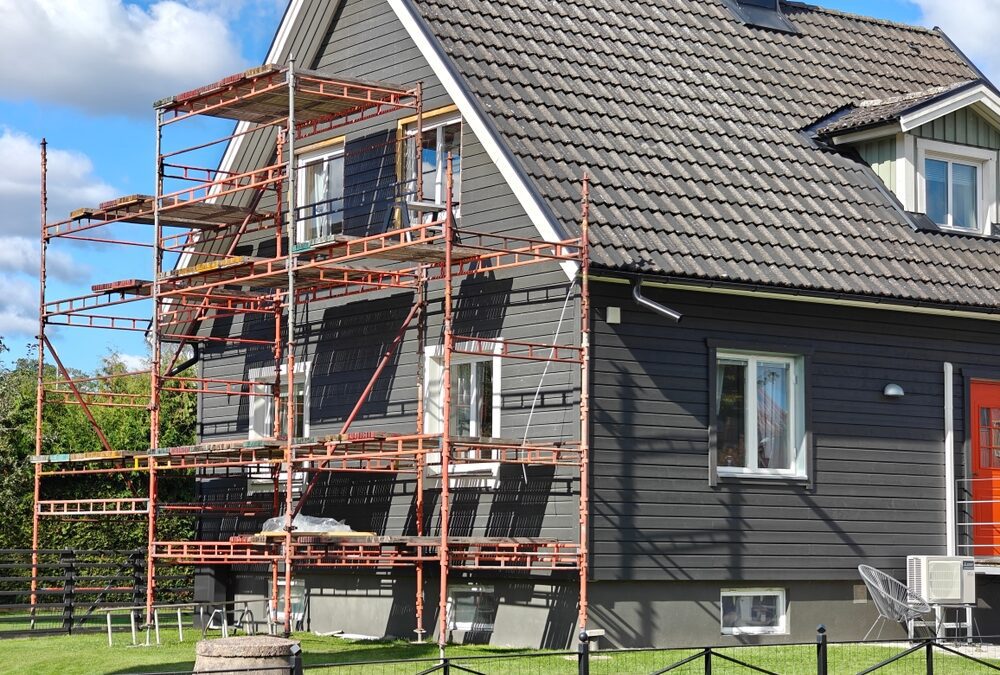
When homeowners think about increasing home value, kitchens and bathrooms often receive most of the attention. Yet the outside of a house creates the first impression, protects the structure from weather, and influences how buyers perceive the condition of the property. Well-planned exterior remodeling can therefore affect both immediate appeal and longer-term value, particularly when improvements address visible deterioration or improve how the home performs.
The most worthwhile projects are not necessarily the most expensive ones. A replacement roof, updated siding, better-performing windows, or a properly designed gutter system can solve functional problems while making the property look more maintained. Homeowners evaluating exterior home services can benefit from looking at these improvements as interconnected parts of the building rather than isolated cosmetic projects.
How the Exterior Influences Perceived Value
A home’s exterior communicates a surprising amount before a buyer ever walks through the front door. Peeling siding, damaged roofing, outdated windows, deteriorated trim, or visibly sagging gutters can create the impression that the property requires significant maintenance. Even when the underlying structure is sound, those visual cues may influence how a buyer evaluates the home.
Exterior improvements can change that perception by making the property appear cared for and structurally sound. New materials, consistent finishes, and repairs that address obvious defects create a more cohesive appearance. This does not guarantee a specific increase in selling price, but it can make the property more competitive with comparable homes in the same market.
There is also a practical distinction between cosmetic improvements and improvements that protect the structure. A new exterior finish may improve appearance, while a properly functioning roof or drainage system can help prevent water from reaching areas where it can cause damage. Projects that combine both benefits tend to have a stronger rationale for homeowners planning ahead.
Which Exterior Projects Can Add the Most Value?
Not every remodeling project affects value in the same way. The right priority depends on the property’s current condition, the neighborhood, the local housing market, and how long the homeowner expects to remain in the house.
Roofing Improvements
The roof is one of the most important components of a home’s exterior because it protects the building from rain, wind, snow, and other weather exposure. A roof nearing the end of its useful life can become a concern for prospective buyers because replacement represents a substantial future expense.
Replacing severely worn roofing can improve the home’s appearance while addressing an important functional component. In contrast, a relatively new roof may not justify replacement simply for cosmetic reasons. In that situation, targeted repairs and maintenance may be more financially sensible.
Siding Replacement
Siding covers a large portion of the visible exterior, so its condition has a substantial effect on curb appeal. Cracked, warped, faded, or deteriorated siding can make an otherwise well-maintained house look older than it is.
New siding can create a more consistent exterior appearance and provide another layer of protection from the elements. The material selected also affects maintenance requirements, durability, and how well the finished exterior fits the property’s architectural style. The goal should be to choose an improvement that looks appropriate for the home rather than simply selecting the newest available product.
Window Replacement
Windows contribute to appearance, weather protection, natural light, and indoor comfort. Older or damaged windows may have deteriorated frames, poor seals, or other issues that affect their performance.
Replacing windows can provide a visible exterior update while addressing functional concerns. Consistent window styles can also make a remodeled exterior feel more intentional. However, homeowners should evaluate the actual condition and performance of existing windows before replacing them solely because they look dated.
Gutter Improvements
Gutters are easy to overlook because they are less visually prominent than roofing or siding. Their role, however, is important. Gutters collect runoff from the roof and direct it toward downspouts, helping control where water reaches the ground around the property.
Damaged or poorly functioning gutters can contribute to overflowing water, soil erosion, landscape damage, and moisture concerns around the foundation. Replacing a failing system can therefore improve both appearance and drainage performance. In some cases, gutter work makes particular sense when completed alongside roofing or other exterior remodeling.
Why Function Matters as Much as Appearance
A remodeled exterior should do more than look new on the day the project is finished. Its components need to work together to manage weather, moisture, temperature changes, and everyday exposure.
Consider a home with attractive new siding but damaged gutters that repeatedly overflow. The exterior may look significantly better, but the underlying water-management issue remains. Likewise, replacing windows without addressing deteriorated surrounding trim may leave unresolved maintenance concerns.
This is why successful exterior projects often begin with an assessment of existing conditions. Looking at the roof, siding, windows, gutters, trim, and visible drainage together can reveal relationships that are easy to miss when each component is considered separately.
Exterior Remodeling Projects Worth Prioritizing
Homeowners do not necessarily need to remodel the entire exterior at once. A phased approach can make larger improvements easier to manage while allowing urgent problems to receive attention first.
A useful starting point is to separate improvements into three categories:
- Protection: Address roofing, water intrusion, deteriorated siding, drainage problems, and other conditions that could lead to property damage.
- Performance: Consider windows, insulation-related improvements, ventilation, and other upgrades that can improve how the home functions.
- Appearance: Address color, finishes, architectural details, and other changes that improve curb appeal after important functional concerns have been handled.
This approach can prevent homeowners from spending heavily on cosmetic changes while postponing repairs that protect the underlying structure. It also makes budgeting easier because projects can be prioritized according to urgency rather than completed simply because they happen to be visually appealing.
How Exterior Improvements Affect Buyers
Home buyers tend to evaluate a property as a complete package. They may not know the technical details of a roof or siding system, but they can usually recognize signs of deferred maintenance.
A clean, cohesive exterior can reduce concerns about immediate repair needs. Buyers may also appreciate improvements that suggest the property has been maintained consistently. Documentation of completed work, warranties where applicable, and information about materials can further help demonstrate that improvements were made thoughtfully.
This does not mean every homeowner should remodel with resale in mind. If a property will be occupied for many years, comfort, durability, maintenance requirements, and personal preferences may be more important than maximizing short-term resale appeal. A project that makes the home work better for the people living there can still be a worthwhile investment even when its full financial return is uncertain.
When Remodeling May Not Be the Best Choice
Exterior remodeling is not automatically a good investment in every situation. If a home’s exterior components are still performing well, replacing them prematurely may provide little practical benefit. Likewise, highly personalized upgrades may have limited appeal to future buyers.
Before committing to a major project, homeowners should consider the condition of the existing materials, expected service life, local market expectations, and the property’s overall needs. It is also important to distinguish between necessary repairs and optional improvements.
In some cases, maintenance can extend the life of an existing component. Cleaning gutters, repairing damaged siding, maintaining roofing, sealing appropriate areas, and addressing small problems before they spread may provide more value than replacing everything at once.
Frequently Asked Questions About Exterior Remodeling
Does exterior remodeling always increase home value?
No. The effect depends on the type of project, quality of the work, local market conditions, and the property’s existing condition. Improvements that address obvious deterioration or important functional issues generally have a stronger value proposition than highly personalized cosmetic changes.
Should homeowners remodel before selling?
Not necessarily. Before selling, it can make sense to address visible defects and projects that could raise concerns during an inspection. However, homeowners should compare the expected cost of the work with the likely benefit rather than assuming every improvement will be recovered through a higher sale price.
Which exterior improvements should come first?
Projects involving active leaks, structural deterioration, water management, or other conditions that could cause additional damage generally deserve priority. Once those issues are addressed, homeowners can evaluate appearance and performance upgrades based on budget and long-term plans.
Can smaller exterior improvements still make a difference?
Yes. Exterior value is not limited to major replacements. Repairs to damaged trim, refreshed finishes, improved drainage, updated entry details, and other targeted improvements can make a property look better maintained without requiring a complete renovation.
Give Your Home’s Exterior More Value With Moyer Exteriors
Moyer Exteriors brings together roofing, siding, windows, gutters, storm damage restoration, and general repair and maintenance services for properties throughout Lincoln and surrounding Eastern Nebraska communities. Moyer Exteriors is veteran-owned and offers a 10-year workmanship warranty, with additional manufacturer warranty options available on qualifying Malarkey roofing systems.
Contact Us Today to discuss exterior improvements that can strengthen your home’s protection, appearance, and long-term value.